Commercial Drain Maintenance
Restaurant Grease Line Jetting & Drain Maintenance in Bucks County, PA
Scheduled hydro-jetting for kitchen grease lines, floor drains and grease-trap discharge lines — plus emergency backup response for restaurants, cafes and managed properties across Bucks & Montgomery County, PA. Registered Master Plumber, PA HIC #5653.
Same-day & next-day appointments available.
Commercial Drain Maintenance — Done Right by a Local Master Plumber
A restaurant drain line does not fail gradually — it fails at 7 p.m. on a Friday with a full dining room. Grease cools on the pipe wall a few thousandths of an inch at a time until the line glazes shut, and the first symptom is usually water coming up through the floor drain closest to the dish pit. Angermeier Inc Plumbing & Heating runs scheduled grease-line jetting for kitchens and managed properties across Bucks and eastern Montgomery County so that call never happens.
We are not a national franchise selling a subscription. We are a local Registered Master Plumber (PA HIC #5653) with trailer-mounted jetters, a camera on every truck, and a written service record for each line we maintain — the kind of documentation a health inspector, a landlord or a corporate district manager will actually accept.
When to Call
Signs Your Commercial Kitchen Line Needs Service
- ⚠️Floor drains near the dish pit or wok line backing up during service
- ⚠️Standing water around the grease trap or trap lid weeping
- ⚠️Sewer or sour-grease odor in the kitchen, walk-in hallway or dining room
- ⚠️Mop sink or prep sink draining slower each week
- ⚠️Line cleared by cable in the last 6 months and already slowing again
- ⚠️A health inspection note about drainage, odor or trap maintenance
- ⚠️Tenant complaints in a multi-unit building with a shared kitchen stack
- ⚠️No record of when the grease line was last cleaned
Our Process
How a Scheduled Grease-Line Service Runs
1. Walk the system once
On the first visit we map the kitchen drainage — sinks, floor drains, trap, discharge line to the main — and camera the greasy runs so we know pipe material, diameter and where it bellies.
2. Set the interval to your volume
A 60-seat breakfast spot and a fryer-heavy kitchen do not need the same schedule. Typical intervals run monthly, quarterly or twice a year, set from what the first camera pass shows.
3. Jet during off-hours
We work before open, after close or on your dark day. Jetting the discharge line, floor drain branches and the trap outlet means no equipment sitting in the aisle during service.
4. Camera and log every visit
Each service ends with an after-camera pass and a dated written record of what was cleaned and what the pipe looked like — kept on file for inspections and for the property owner.
5. Flag problems before they close you
If the camera shows a belly, a broken hub or an undersized run that keeps re-greasing, we show you the footage and quote the repair instead of jetting the same defect forever.
What We Handle
What We Clean on a Restaurant Visit
Kitchen Grease Lines
High-velocity jetting of the greasy runs from three-compartment sinks, prep sinks and dishwashers back to the main — pipe wall scoured, not just punched through.
Floor Drains & Trench Drains
Jetting and clearing of floor drains, trench drains and the branch lines behind them, including the ones under equipment nobody has pulled in years.
Grease Trap Discharge Lines
We service the plumbing on both sides of the interceptor. Pumping is the hauler's job; the inlet and outlet lines are ours, and they are what actually back up.
Sinks & Prep Lines
Jetting and cabling of individual sink branches and prep lines that slow or clog from food solids, grease, and soap build-up.
Main Sewer Laterals
If the kitchen line ties into an old clay or cast-iron lateral, we jet the full run to the tap to clear roots, scale, and accumulated grease.
Camera-Verified Cleanout
Every visit ends with an after-camera pass and a dated written record of what was cleaned — the documentation a health inspector or landlord asks for after a backup.
Kitchen Drain Guide
Restaurant Grease-Line Jetting: Keep the Kitchen Open
Why Restaurant Drain Lines Close Up
Fats, oils, and grease leave the sink warm, then cool as they travel through the building. A thin layer sticks to the pipe wall, food solids and soap catch in it, and the opening becomes smaller after every service. The line can appear normal until a dish-machine dump or three-compartment sink sends more water than the narrowed pipe can carry.
Floor drains often become the first visible warning because they are the lowest opening in the kitchen. Water appearing there does not necessarily mean the floor-drain branch is the source; the restriction may be farther downstream where several fixtures join the grease line or where the interceptor outlet meets the building main.
Jetting, Cabling, and Grease-Trap Pumping Do Different Jobs
Cabling is useful for a localized solid obstruction. It opens a passage, but a cable does not wash grease from the full circumference of the pipe. Hydro-jetting uses water and a selected nozzle to strip softened grease and accumulated solids from the wall and carry them back toward the access point.
Grease-trap pumping is separate. The hauler removes material stored inside the interceptor. Jetting cleans the inlet and outlet piping that connects the kitchen, interceptor, and building sewer. A recently pumped trap can still have a restricted inlet or discharge line.
- →One sink branch stopped suddenly — inspect for a local obstruction and cable when appropriate.
- →Several kitchen fixtures slow together — camera the common grease line.
- →The trap is pumped but the kitchen still backs up — inspect the inlet and discharge piping.
- →The same line needs frequent opening — camera for grease left on the wall or a structural defect.
What We Need Before an Off-Hours Visit
A useful first call includes the restaurant address, opening hours, affected fixtures, grease-interceptor location, known cleanouts, and whether another tenant shares the line. Before service, move stored goods and mobile equipment away from access points and arrange a window when the affected sinks and dish equipment can stay off.
We map the route from sinks and floor drains to the interceptor and main, camera accessible runs, protect the work area, and choose pressure and nozzle based on pipe material and condition. The after-camera determines whether the line is clean and whether a defect needs a separate repair.
Setting a Rotation from Menu and Volume
A fryer-heavy kitchen, pizza shop, bakery, cafe, bar, and institutional cafeteria place different loads on their drains. Covers served, cooking methods, line length, pipe pitch, interceptor arrangement, and staff practices all influence how quickly grease returns.
We do not assign a frequency from the business type alone. The first cleaning and camera pass establish a baseline. Later visits show whether the line is returning clean, beginning to glaze, or collecting material at one repeat location, allowing the schedule to follow evidence instead of guesswork.
Documentation for Owners and Managers
Each visit can be documented with the service date, lines addressed, access points used, and significant camera findings. That gives an owner or district manager a usable record when comparing properties, reviewing a tenant complaint, or deciding whether a chronic line needs repair rather than another cleaning.
Jetting is not a substitute for staff handling practices or interceptor pumping. It is one part of keeping the drainage path open, alongside scraping food into waste, keeping strainers in place, avoiding grease disposal through sinks, and maintaining the interceptor with the appropriate hauler.
When the Problem Is the Pipe, Not the Grease
A line that re-clogs at the same location may have poor pitch, a belly, a broken fitting, an offset joint, or an undersized section. Jetting can clear accumulated material so the camera can see the pipe, but pressure cannot correct those defects. We show the finding and quote repair separately rather than placing a damaged line on an endless cleaning cycle.
Restaurant Jetting Across Bucks and Montgomery County
Based in Southampton, we serve independent restaurants, cafes, bars, institutional kitchens, and managed food-service properties across Bucks County and eastern Montgomery County. Common service corridors include Street Road, County Line Road, Route 611, York Road, Bristol Road, and the town centers around Newtown and Doylestown.
For an active backup, call 215-364-0133 and tell us which fixtures are affected and whether water is rising from a floor drain. For planned work, use the estimate request below and include your preferred off-hours window.
Restaurant and Local Drain Service Pages
Service Areas
Commercial Drain Maintenance Near You
Serving every town below across Bucks & Montgomery County, PA. Click your town for local details, or call 215-364-0133.
Related
Related Commercial Services
Commercial Sewer Jetting
Hydro-jetting rotations for restaurants, apartments, retail and managed properties across Bucks County.
Commercial Plumbing
Repairs, fixtures, water heaters and repipes for restaurants, retail and multi-family properties.
Sewer Jetting & Drain Cleaning
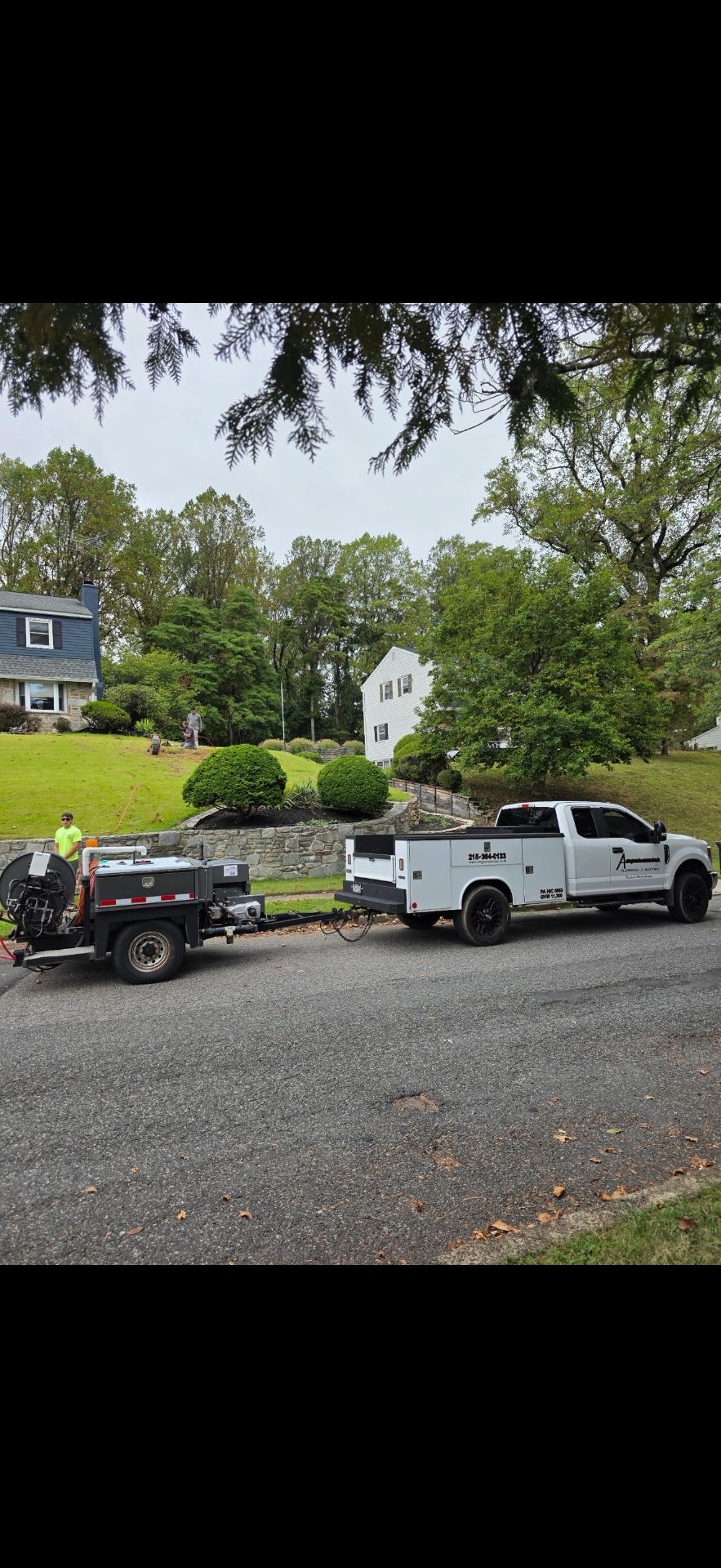
High-velocity hydro-jetting for main lines, grease lines and floor drains.
Certified Backflow Testing
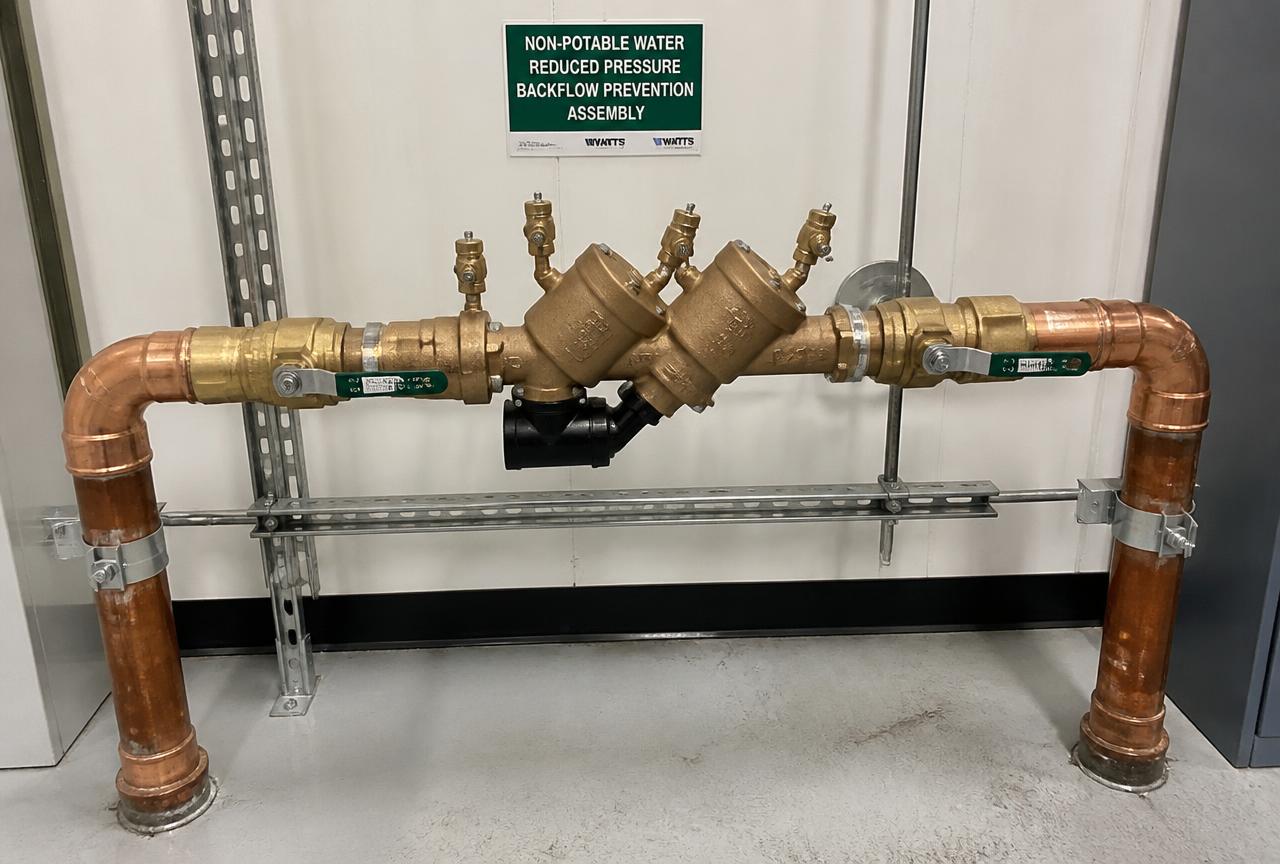
Annual certification testing and filed reports for commercial assemblies.
More Help
Explore All Our Plumbing Services
Answers
Commercial Drain Maintenance FAQs
How often should a restaurant grease line be jetted?+
It depends on menu and volume. Fryer-heavy and high-cover kitchens usually run monthly or quarterly; lighter-volume cafes and bars often do fine twice a year. We set the interval after the first camera pass rather than guessing, and adjust it if the line comes back cleaner or dirtier than expected.
Is jetting the same as pumping the grease trap?+
No. A hauler pumps the interceptor. Jetting cleans the pipes feeding it and leaving it — the lines that actually back up into your kitchen. Most kitchens need both, and the pumping schedule does not protect the discharge line.
Can you work outside our service hours?+
Yes. Most scheduled kitchen work happens before open, after close or on a dark day so no equipment is in the aisle while you are serving.
What happens if a line backs up between scheduled visits?+
Customers on a scheduled rotation get priority same-day response, and because we already have the camera history and pipe map for your building we usually know what we are walking into. Call 215-364-0133.
Do you provide documentation for health inspections?+
Yes. Every visit ends with a dated written service record noting what was cleaned and what the after-camera showed. Owners and district managers can get the same record.
Can property managers put multiple buildings on one schedule?+
Yes. We run rotations for managed properties and multi-tenant buildings with one contact and one invoice cycle, covering shared kitchen stacks, laundry lines and common-area floor drains.
What if jetting keeps having to be repeated on the same line?+
That is usually a defect, not a cleaning problem — a belly holding grease, a broken hub, or an undersized run. We show you the camera footage and quote the repair instead of selling you the same service forever.
What areas do you cover for commercial drain maintenance?+
Southampton, Warminster, Warrington, Feasterville, Bensalem, Yardley, Richboro, Huntington Valley, Newtown, Doylestown, Jamison, Hatboro, Horsham, Willow Grove, Langhorne, Levittown, Ambler, Chalfont, North Wales and the surrounding Bucks and Montgomery County, PA communities.
Schedule Restaurant Grease-Line Jetting
Same-day appointments across Bucks & Montgomery County, PA.
📞 215-364-0133